Barbell Dumbell: A Designer’s Review for Boutique Apparel
As an embroidery designer who spends countless hours digitizing and testing files for commercial use, I approach every new download with a critical eye. We are not just looking for cute images; we are looking for viable products. When I stumbled upon the Barbell Dumbell design on Creative Fabrica, my immediate thought was not about home decor, despite the description suggesting towels and pillows. My mind went straight to the booming market of fitness-inspired lifestyle apparel. For boutique owners and Etsy sellers, finding the right balance between trendy sports motifs and wearable art is crucial. This review explores how this specific machine embroidery design performs when applied to real-world garment projects, specifically focusing on sweatshirts, hoodies, and custom apparel collections.
First Impressions: Visual Personality and Stitch Mood
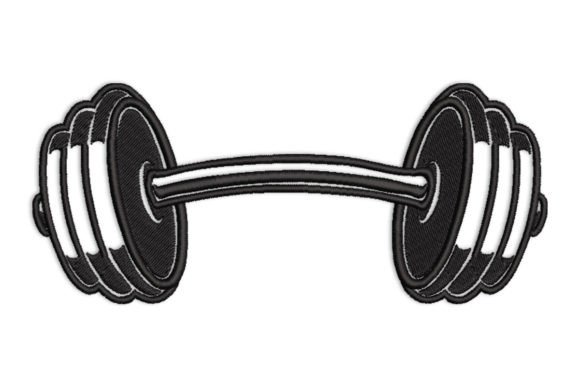
The first thing I look for in any embroidery file is its visual personality. Does it feel premium, or does it look like a generic clipart conversion? The Barbell Dumbell design carries a distinct whimsical charm that softens the typically aggressive aesthetic of gym culture. It feels playful rather than intense, which opens up a wider demographic for your finished product. Instead of targeting only hardcore bodybuilders, this design appeals to the "wellness" crowd, yoga enthusiasts, and those who appreciate a touch of humor in their daily wear.
The stitching mood appears clean and decorative. In the context of Sports and Embroidery, simplicity often wins. Overly complex designs can get lost in the texture of fleece or become stiff and uncomfortable on wearable items. This design seems to strike a balance, offering enough detail to be recognizable as a barbell and dumbbell while maintaining a lightness that suits casual fashion. It feels minimal yet bold enough to stand out as a focal point on a neutral background.
Apparel Applications: From Sweatshirts to Totes
When planning a small collection for an online shop, versatility is key. Here is how I envision using the Barbell Dumbell across different garments:
- Sweatshirt Embroidery: This is the primary use case. On a high-quality, heavy-weight cotton sweatshirt, the design adds instant value. I recommend placing it on the left chest for a classic, understated look. The contrast of the thread against heather grey or oatmeal fabrics creates a sophisticated boutique vibe.
- Hoodie Design: For oversized hoodies, you might consider scaling the design slightly larger for a back placement or keeping it small on the sleeve cuff. Sleeve accents are trending heavily in streetwear, and a small dumbbell icon near the wrist offers a subtle nod to fitness without being overpowering.
- T-Shirt Embroidery: While t-shirts are trickier due to fabric stretch, a well-stabilized version of this design can work beautifully on the pocket area of a tee. It transforms a basic garment into a handmade product with perceived higher value.
- Tote Bag Design: Canvas totes are excellent carriers for this motif. The sturdy fabric handles the stitch density well, making it a perfect add-on item for your boutique brand. It pairs wonderfully with motivational quotes or simple branding.
Navigating Fabric Textures and Stabilizers
One of the most critical aspects of professional embroidery is understanding how the digital embroidery file interacts with fabric texture. The product description mentions embellishing fabrics with a touch of whimsy, but as a designer, I must warn you about the technical realities. Fleece and ribbed fabrics, common in hoodies and sweatpants, behave very differently than woven cotton.
Before running a production batch, you must test on scrap fabric that matches your final garment. For stretchy fabrics like jersey knits or fleece, the choice of stabilizer is non-negotiable. A cut-away stabilizer is usually best for garments that will be washed and worn frequently, as it provides lasting support and prevents the stitches from puckering over time. If you are working with dark garments, ensure your bobbin thread matches the top thread or the fabric color to avoid visible backing showing through the satin stitches.
Pay close attention to the stitch density. If the design is too dense for a lightweight t-shirt, it may cause the fabric to pucker or tear. Conversely, if it is too sparse for a thick towel, it may not cover the fabric adequately. Since the specific stitch count and density details are not fully explicit in the brief description provided, I strongly advise downloading the preview or checking the detailed specs on Creative Fabrica before committing to expensive apparel stock.
Enhancing Brand Identity and Product Value
Why choose a specific design like Barbell Dumbell over a generic text logo? Because it builds brand identity through visual consistency. When customers see a cohesive aesthetic across your Etsy listings and social media graphics, it builds trust. This design allows for a consistent theme across various products—matching sweatshirts, tote bags, and even home decor pillows.
For the Etsy seller or small shop owner, the perceived value of embroidered items is significantly higher than printed ones. Embroidery suggests durability and craftsmanship. By using a well-digitized machine embroidery design, you signal to your customers that you care about quality. This attention to detail encourages customer engagement and repeat business. When you present your finished product in lifestyle photos—perhaps a cozy hoodie draped over a chair with a water bottle nearby—the embroidery becomes the hero of the image, driving clicks and sales.
Practical Designer Notes for Production
To ensure your commercial embroidery projects are successful, keep these practical steps in mind:
- Confirm Hoop Size: Check the available sizes in the digital embroidery file package. Ensure the design fits comfortably within your machine’s hoop without being too close to the edge, which can cause hooping issues.
- Thread Color Contrast: Experiment with thread colors. While black on white is classic, try muted tones like sage green, dusty rose, or slate blue for a more modern, boutique feel. Avoid neon threads unless you are specifically targeting a high-energy gym aesthetic.
- Check Licensing: Always review the license terms on Creative Fabrica. Ensure that the license covers commercial use for physical products if you plan to sell the finished apparel. Most Creative Fabrica embroidery products allow this, but verification is essential for legal peace of mind.
- Test Placement Options: Do not assume the default placement is the best. Compare center chest, left chest, and sleeve placements on actual garments. Take photos of each to see which looks most balanced.
- Inspect Stitch Quality: After your test run, inspect the back of the embroidery. Look for loose threads or excessive buildup. Trim carefully and press the garment if the fabric allows, using a pressing cloth to protect the stitches.
Final Verdict for Boutique Creators
The Barbell Dumbell design is a versatile asset for any designer looking to expand into the fitness-lifestyle niche. It moves beyond the typical aggressive gym imagery, offering a softer, more approachable aesthetic that works well for women’s apparel, unisex hoodies, and accessories. While the description hints at home decor, its true potential lies in custom apparel. By paying attention to stabilizer choices, fabric textures, and strategic placement, you can create high-value, professional-looking products that stand out in a crowded market. Whether you are creating a printable mockup for your online store or stitching the final sample for a client, this design offers the whimsical charm and structural integrity needed for successful boutique merchandise.