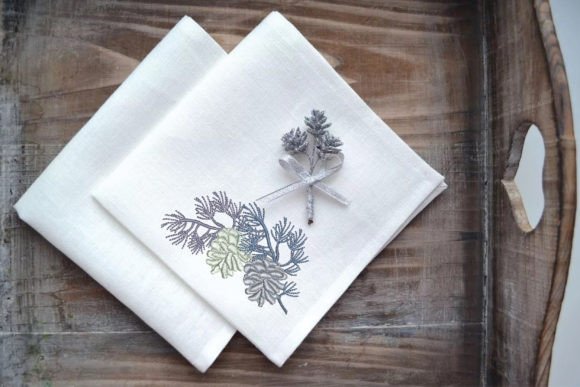
Pine Branch with Two Cones: A Designer Review
As an embroidery designer who has spent years digitizing and reviewing files for commercial use, I approach every new machine embroidery design with a critical eye. It is not just about whether the image looks pretty on a screen; it is about how that design translates into thread, how it withstands washing, and how it elevates a brand. Recently, I evaluated Pine Branch with Two Cones, a digital asset that promises simplicity and rustic charm. For small business owners, Etsy sellers, and apparel decorators, this review breaks down why this specific motif is a versatile addition to your library of design assets.
First Impressions: Rustic Elegance Meets Practicality
The first thing that strikes me about Pine Branch with Two Cones is its understated elegance. In a market saturated with overly complex, high-density logos, there is immense value in simplicity. The description notes that the design is "not complicated," which is music to the ears of any production manager. Complex designs often lead to longer run times, higher thread breakage rates, and increased labor costs. This pine branch offers a clean, organic aesthetic that feels both handmade and premium.
Visually, the motif leans towards a rustic, natural vibe. It is not aggressively bold, nor is it excessively playful. Instead, it sits comfortably in the realm of classic and decorative. This makes it an excellent candidate for brands that want to convey warmth, reliability, and a connection to nature. Whether you are running a local bakery, a florist shop, or a boutique clothing line, this design does not shout; it whispers quality. For the holiday season, it naturally fits into the Christmas category, but its appeal extends year-round for any brand utilizing botanical or woodland themes.
Real-World Applications for Small Business Merch
When I test a new embroidery file, I immediately imagine it on various substrates. Pine Branch with Two Cones shines in several key areas of small business merch production.
- Embroidered Patches: This is perhaps the strongest use case. The distinct shape of the branch and cones creates a recognizable silhouette. When digitized correctly for a patch, it can serve as a standalone badge for jackets, backpacks, or tote bags. The limited detail ensures that the edges remain crisp, even when cut close to the stitch line.
- Apron Embroidery: For cafes and bakeries, staff uniforms are walking billboards. Placing this pine branch on the chest pocket or the upper corner of an apron adds a touch of sophistication without overwhelming the garment. It suggests freshness and natural ingredients, aligning perfectly with artisanal food brands.
- Cap Embroidery: Caps require designs that are wide rather than tall due to the curvature of the front panel. A horizontal pine branch layout works exceptionally well here. It provides a subtle branding element that customers appreciate for its low-key style.
- Tote Bag Design: Canvas totes are staples for retail shops. A single, well-placed pine branch can turn a generic bag into a desirable accessory. The organic lines of the needles contrast beautifully with the coarse texture of canvas, enhancing the handmade product feel.
Navigating Technical Challenges and Fabric Textures
While the design is described as suitable for napkins and clothes, a professional must consider the technical limitations. The phrase "For realistic-looking con" in the product description hints at an attempt at detail, which requires careful handling. Here is where experience matters.
Stitch density is a crucial factor. If the digitizer has packed too many stitches into the cones to achieve realism, the design may become stiff and prone to puckering, especially on lighter fabrics like cotton napkins or thin t-shirts. I always recommend checking the stitch count and density map before full production. If the density is high, you must use a appropriate stabilizer—likely a medium-weight cut-away for garments or a tear-away for stable woven fabrics like towels.
Furthermore, consider fabric texture. On terrycloth or fluffy fleece, fine details can get lost. The pine needles might blend into the pile of the fabric. In such cases, I advise increasing the satin stitch width slightly or adding a subtle underlay to lift the design off the surface. For dark uniforms, ensure that the thread colors have enough contrast. A dark green on a black shirt will vanish; consider using a lighter olive or adding a metallic gold thread for the cones to create visual pop.
Enhancing Brand Identity and Customer Trust
Why does a simple pine branch matter for your bottom line? It comes down to brand identity. Consistent visual elements build recognition. If your brand values sustainability, nature, or handcrafted quality, Pine Branch with Two Cones reinforces that message every time a customer sees it. It adds perceived value to the finished product. A plain tote bag sells for $10; the same bag with a tasteful, embroidered pine branch can sell for $25. The embroidery signals effort, durability, and attention to detail.
For Etsy sellers and crafters, using this design on postcards or packaging inserts can create a cohesive unboxing experience. It transforms a transaction into a memorable interaction. Customers trust brands that present themselves professionally, and high-quality commercial embroidery is a hallmark of professionalism.
Practical Designer Notes for Production
Before you load this file into your machine for a large batch of custom apparel, follow these essential steps to ensure success:
- Test in Black and White: Before committing to colored threads, stitch out the design in black thread on white fabric. This allows you to see the structure, spacing, and any potential gaps in the digitizing without the distraction of color.
- Check Scalability: Verify if the design holds up at smaller sizes. If you plan to use it as a small chest logo, ensure the needles do not merge into a solid blob. If the details are too fine, you may need to simplify the design further or increase the size.
- Confirm Hoop Size: Ensure the design fits within your standard hoop sizes. While the description mentions it is suitable for various items, knowing the exact dimensions helps in planning placement on caps versus large tote bags.
- Create a Printable Mockup: Use digital tools to place the design on photos of your actual products. This helps in client approval and marketing materials before you spend time and thread on physical samples.
- Verify Licensing: Always confirm the license terms of the digital embroidery file. Ensure it covers commercial use if you intend to sell the embroidered items. Never assume; always read the fine print.
In conclusion, Pine Branch with Two Cones is a strong contender for businesses looking to add a touch of natural elegance to their merchandise. It balances aesthetic appeal with production efficiency. By respecting the technical requirements of Embroidery and understanding your fabric choices, you can leverage this design to create high-value, branded items that resonate with your customers. It is not just a decoration; it is a strategic tool for brand building.