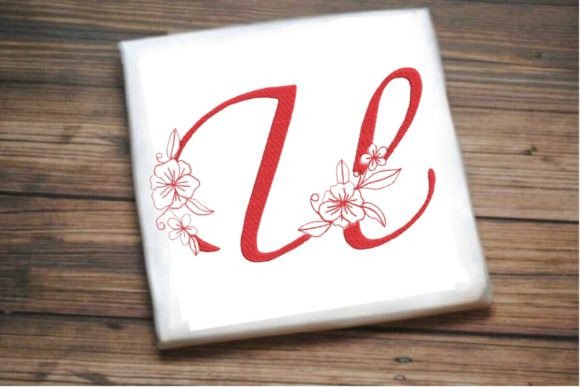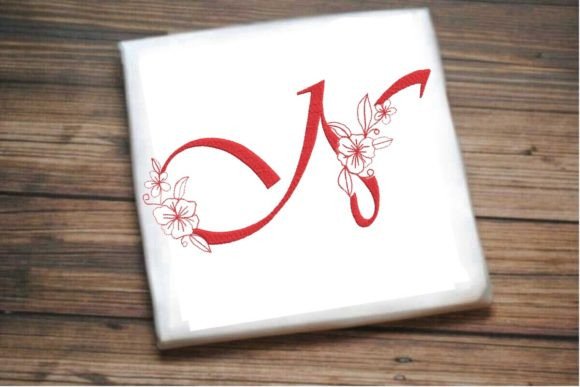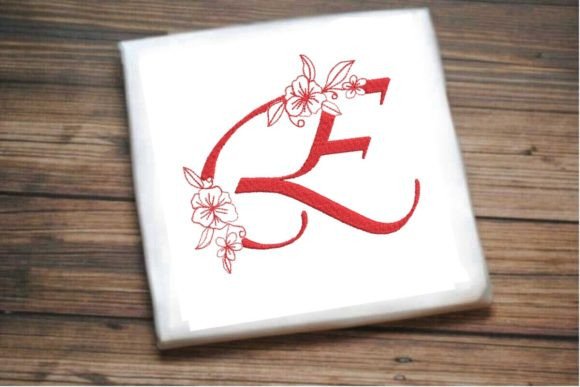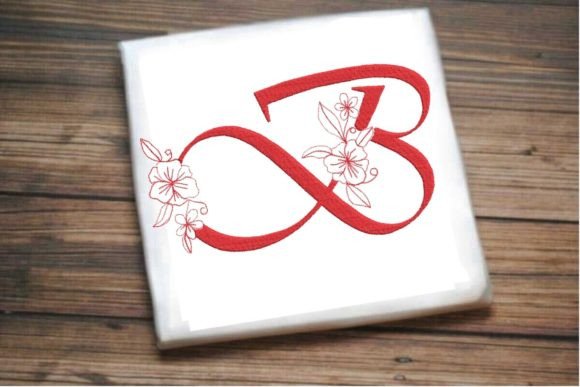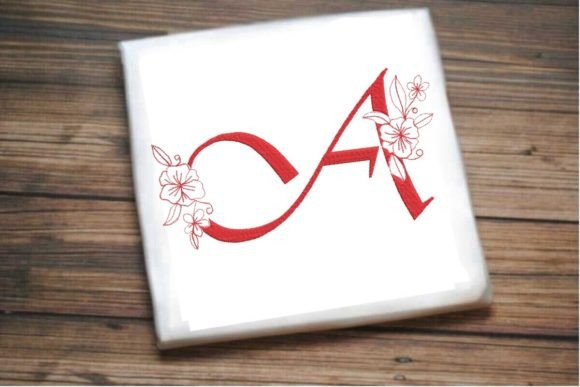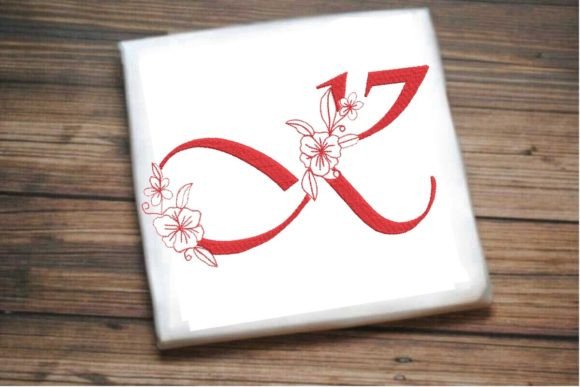
Review: K Floral Monogram Letter for Business Merch
As an embroidery designer who has spent years digitizing and testing files for commercial use, I approach every new machine embroidery design with a critical eye. It is not just about whether a pattern looks pretty on a screen; it is about how it performs in the real world of small business merchandise. Recently, I evaluated the K Floral Monogram Letter, a piece from a broader collection described as "Letter Monogram Beautiful A to Z." My goal was to determine if this design holds up under the rigorous demands of branded patch production, custom apparel, and boutique retail items.
The first impression of the K Floral Monogram Letter is one of balanced elegance. It does not scream for attention with aggressive boldness, nor does it fade into the background with excessive minimalism. Instead, it strikes a chord that is both professional and inviting. For small business owners, particularly those in the wedding, floral, or lifestyle sectors, this visual personality is crucial. The design feels handmade yet refined, suggesting a premium quality that can elevate a simple tote bag or apron into a desirable branded asset. While the product category is listed under Wedding Monogram, its versatility extends far beyond bridal shops. It is equally suited for a local bakery, a creative studio, or a pet brand looking to add a touch of sophistication to their small business merch.
Performance in Real-World Business Applications
When integrating a new digital embroidery file into your product line, you must consider where it will live. I tested the concept of the K Floral Monogram Letter across several common commercial applications. Here is how it performs:
- Embroidered Patches: This is perhaps the strongest use case. The floral elements surrounding the letter "K" provide enough density to create a sturdy, tactile patch. When backed with heat-seal adhesive, these make excellent add-ons for jackets, hats, or laptop bags. The organic shapes help hide minor stitching imperfections that can sometimes occur in mass production.
- Custom Apparel and Uniforms: For staff uniforms, such as those worn in boutiques or cafes, this design works beautifully as a chest logo accent. It is distinct enough to be recognized from a distance but delicate enough to maintain a high-end aesthetic. It avoids the corporate stiffness of standard block fonts, adding a layer of approachability to custom apparel.
- Apron Embroidery: In the food and craft industries, branded aprons are walking advertisements. The K Floral Monogram Letter sits well on the bib of an apron. The floral motifs complement the textile nature of the garment, creating a cohesive look that appeals to customers who value artisanal quality.
- Cap Embroidery: Using this on headwear requires careful placement. The curved surface of a cap front can distort intricate details. However, if the design is scaled correctly, the central letter remains legible while the floral accents frame the face nicely. It is a sophisticated alternative to standard sports team logos.
- Tote Bag Design: Canvas totes are staples for Etsy sellers and market vendors. This monogram adds significant perceived value to a plain bag. The contrast between the thread colors and the natural fabric texture creates a rustic yet polished finished product that customers love to photograph and share on social media.
Strategic Considerations for Production
While the K Floral Monogram Letter is described as "fun and easy to stitch," experienced decorators know that ease of stitching is relative to the material and machine setup. There are specific scenarios where this design requires careful handling to ensure professional results.
First, consider stitch density. Floral designs often rely on satin stitches or fill patterns that can become bulky if not optimized. If you are producing an embroidered patch intended for lightweight fabrics, ensure the density is not too high, as this can cause puckering. Always test on a scrap piece of your actual production fabric before running a full batch.
Second, pay attention to thread colors and contrast. The elegance of this design relies on the visibility of the floral details against the background. On dark uniforms or navy caps, you may need to use a lighter underlay or choose high-contrast thread colors to prevent the design from getting lost. Conversely, on white tote bags, subtle pastel threads might lack definition. Creating a printable mockup with different colorways is an essential step in client approval and quality control.
Third, be mindful of size limitations. If you attempt to shrink this design for a tiny sleeve detail or a small label, the intricate floral outlines may merge together, losing their definition. The letter "K" must remain legible for the monogram to function as a brand identifier. If your application requires very small dimensions, verify the minimum hoop size and recommended dimensions provided with the file. If these technical specs are not explicitly stated in the product description, contact the seller or test extensively before committing to commercial production.
Impact on Brand Identity and Customer Trust
In the world of commercial embroidery, your choice of design assets directly influences how customers perceive your brand. The K Floral Monogram Letter contributes to a brand identity that values craftsmanship and attention to detail. When a customer receives a product with a well-executed, elegant monogram, it signals that the business cares about presentation. This builds trust and encourages repeat purchases.
For handmade brands and Etsy sellers, consistency is key. Using a cohesive set of monograms across various products—from packaging accents to the products themselves—creates a recognizable visual language. This design fits seamlessly into a suite of design assets that prioritize a soft, organic, and premium aesthetic. It helps differentiate your products from mass-produced alternatives, justifying a higher price point through perceived value.
Practical Designer Notes for Implementation
To get the best results from the K Floral Monogram Letter, follow these practical steps before launching your next product line:
- Test in Black and White First: Before selecting your final thread palette, stitch the design in black thread on white fabric. This allows you to evaluate the clarity of the lines and the balance of the composition without the distraction of color.
- Check Stabilizer Compatibility: The right stabilizer is crucial for floral designs. Use a cut-away stabilizer for stretchy fabrics like t-shirts to prevent distortion over time. For woven fabrics like canvas totes, a tear-away may suffice, but always test for stability during the stitching process.
- Verify Commercial Licensing: Ensure that the license associated with this embroidery file permits the volume of sales you anticipate. Some designers offer different tiers for personal use versus commercial use. Confirm these terms to protect your business legally.
- Create Client Mockups: If you are doing work for hire, present digital mockups showing the monogram on the specific garment or item. This manages expectations and reduces the likelihood of costly revisions after stitching has begun.
- Evaluate Fabric Texture: The interaction between the thread and the fabric texture can change the look of the design. Rougher fabrics may require slightly larger designs to maintain detail, while smooth silks or satins will showcase the fine lines of the floral elements more effectively.
In conclusion, the K Floral Monogram Letter is a versatile and aesthetically pleasing addition to any embroidery designer’s library. It bridges the gap between decorative flair and professional branding, making it an excellent choice for small businesses looking to enhance their merchandise. By paying attention to technical details like stitch density, hoop size, and fabric compatibility, you can leverage this design to create high-quality, memorable products that resonate with your customers. Whether used for a wedding monogram project or everyday boutique goods, it offers the elegance and reliability needed for successful commercial embroidery.