Review: Valentine Cute Havanese Dog for Business Merch
As an embroidery designer who has spent years digitizing and testing files for commercial use, I approach every new machine embroidery design with a critical eye. It is not enough for a design to simply look cute on a screen; it must perform flawlessly under the needle, hold up to wear and washing, and serve a strategic purpose for the business owner using it. Today, I am reviewing the Valentine Cute Havanese Dog, a charming piece that promises versatility across various applications. For small business owners, Etsy sellers, and apparel decorators, understanding how this specific embroidery file translates from digital asset to physical product is crucial for maximizing return on investment.
First Impressions: Visual Personality and Brand Fit
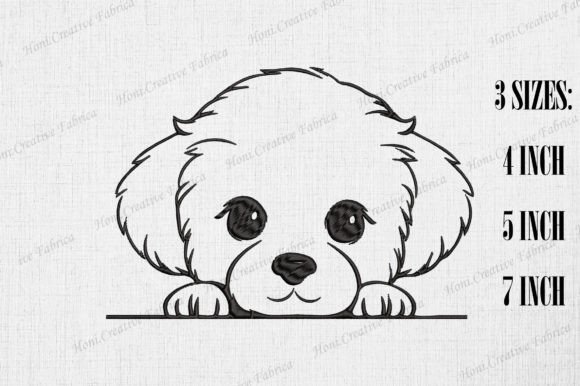
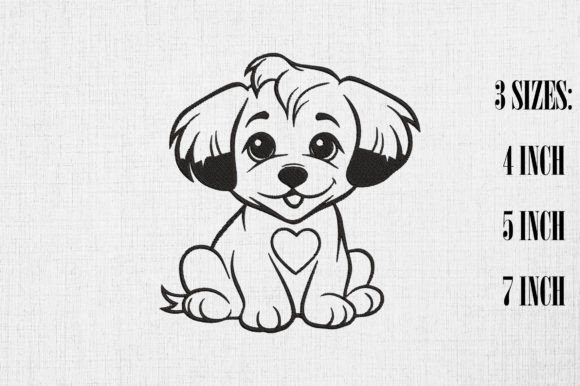
The immediate impression of the Valentine Cute Havanese Dog is one of approachable warmth. The inclusion of heart motifs alongside the breed-specific features suggests a design that is playful, friendly, and inherently decorative. For businesses in the pet industry, boutique retail, or handmade goods sector, this visual personality is a significant asset. It does not scream "corporate" or "industrial"; instead, it whispers "handmade," "caring," and "personal."
This distinction matters deeply when considering brand identity. If your business relies on building an emotional connection with customers—such as a local bakery, a florist, a pet grooming salon, or a children’s clothing brand—this design aligns perfectly. It feels premium in its sentiment but accessible in its style. However, for brands aiming for a stark, minimalist, or ultra-modern aesthetic, this design might feel too whimsical. It is essential to match the design’s tone with your existing design assets to maintain visual consistency.
Real-World Application: From Patches to Uniforms
The true test of any digital embroidery file is its adaptability. The product description notes that you can embroider this design on clothes, baby’s onesies, home decor, t-shirts, tablecloths, and towels. Let us break down how this works in a real business scenario.
Embroidered Patches and Apparel Accents
One of the most profitable uses for a design like this is creating standalone embroidered patch products. Patches are low-risk inventory items that allow customers to customize their own gear. The Valentine Cute Havanese Dog would excel here, provided the digitization accounts for clean edges. When applied as a chest logo accent on staff uniforms or work shirts, it adds a touch of personality without overwhelming the professional look. For a veterinary clinic or a dog daycare, this could serve as a seasonal uniform update for February, boosting staff morale and customer engagement.
Caps and Curved Surfaces
Cap embroidery presents unique challenges due to the curved surface and limited space. This design needs to be evaluated for its width. If the Havanese illustration is too wide, it will distort on the front panel of a baseball cap. I recommend testing a scaled-down version specifically for headwear. If the details remain crisp at a smaller scale, it becomes an excellent option for branded merchandise that customers wear proudly. However, if the design relies on fine lines for the dog’s fur texture, those may get lost or cause thread breaks on the tight curve of a cap.
Tote Bags and Home Decor
For tote bag design and home textiles, the larger canvas allows the design to breathe. Embroidering this on canvas totes creates a high-value handmade product that appeals to gift buyers. Similarly, applying it to kitchen towels or aprons adds a layer of charm that mass-produced items lack. An apron embroidery featuring this design could be a standout item for a boutique selling cooking classes or artisanal food products. The key here is ensuring the stitch density is appropriate for the fabric weight; too dense, and the towel will pucker; too sparse, and the backing will show through.
Technical Considerations for Production Quality
Before running a large batch of commercial embroidery, there are several technical factors you must address. The description mentions the design is suitable for various items, but it does not specify exact stitch counts or recommended hoop size. This is where due diligence is required.
- Fabric Texture and Stabilizer: Havanese dogs are known for their fluffy coats. If the digitizer used many satin stitches to mimic this texture, the design may pull on lightweight fabrics like baby onesies. Always use the correct stabilizer—cut-away for stretchy knits and tear-away for stable wovens—to prevent distortion.
- Thread Color Contrast: Review the thread colors carefully. A cute design can look muddy if the contrast between the dog, the heart, and the background fabric is insufficient. Test it on both light and dark fabrics. You may need to create a version with a white underlay or outline to ensure visibility on dark uniforms.
- Small Patch Sizes: If you plan to use this as a small label or tag, zoom in to 100% on your screen. Can you distinguish the eyes and the heart shape? If the details merge into a blob, the design is not suitable for tiny applications. In such cases, consider simplifying the design or increasing the size.
Impact on Customer Trust and Perceived Value
Using a well-executed design like Valentine Cute Havanese Dog directly influences customer perception. High-quality embroidery signals attention to detail. When a customer receives a custom apparel item or a branded gift with clean stitching, no loose threads, and proper alignment, their trust in your brand increases. It transforms a simple transaction into a memorable experience.
Furthermore, this design supports small business merch strategies by offering seasonal relevance. Valentine’s Day is a major retail event. Having a themed design ready allows you to capitalize on impulse buys and gift-seeking behavior. It shows that your brand is active, current, and engaged with cultural moments. This relevance can drive higher engagement on social media, especially if you share behind-the-scenes content of the embroidery process.
Practical Designer Notes for Implementation
To ensure the best results with this machine embroidery design, follow these practical steps before full-scale production:
- Test in Black and White: Before committing to colorful threads, stitch out the design in black thread on white fabric. This reveals the structural integrity of the digitizing. If it looks good in monochrome, it will look great in color.
- Create a Printable Mockup: Use a printable mockup to visualize the design on different products. This helps in marketing materials and allows clients to approve the placement and size before you stitch a single thread.
- Check Commercial Licensing: Always confirm the license terms associated with the embroidery file. Ensure you have the right to use it for commercial embroidery and selling finished goods. Never assume; always read the terms.
- Compare Beside Other Assets: Place the stitched sample next to your logo and other branding elements. Does it complement them? Does it clash? Consistency is key to a professional presentation.
- Wash Testing: Since the description mentions items like towels and clothes that undergo frequent washing, run a wash test. Check for thread shrinkage, color bleeding, or fabric puckering. This step protects your reputation by ensuring durability.
In conclusion, the Valentine Cute Havanese Dog offers significant potential for businesses looking to add a touch of warmth and personality to their product lines. Whether used for Dogs themed merchandise, Valentine’s specials, or general Embroidery projects, its success depends on thoughtful application and technical precision. By respecting the limitations of the medium and leveraging the design’s strengths, you can create products that not only look beautiful but also strengthen your brand’s connection with its audience.