Reviewing Let’s Cuddle Some Other Time for Real Projects
As a designer who has spent countless hours digitizing, stitching, and critiquing machine embroidery design files, I have learned that the difference between a charming finished product and a frustrating mess often comes down to the initial concept. When I first loaded Let’s Cuddle Some Other Time into my software, I was immediately drawn to its witty juxtaposition of affection and attitude. This isn’t just another generic heart motif; it is a personality-driven piece that speaks directly to the modern crafter and their customers.
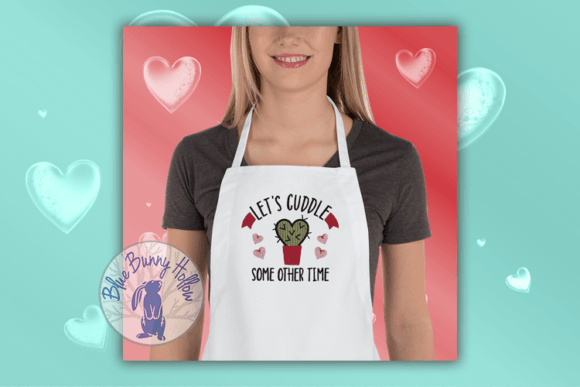
The design features a clever combination of heart-shaped cacti and a cheeky textual message. For those of us running a craft business or selling on platforms like Etsy, finding designs that stop the scroll is essential. This piece does exactly that by blending the softness of romance with the prickly reality of independence. It creates a mood that is playful, slightly sarcastic, and undeniably cute. But does it hold up under the needle? Let’s dig into the practical realities of using this embroidery file in real-world applications.
First Impressions and Visual Personality
The visual layout of Let’s Cuddle Some Other Time is balanced yet dynamic. The heart-shaped cactus serves as a strong central anchor, while the accompanying hearts on either side provide symmetry without feeling rigid. From a design perspective, the use of organic shapes helps soften the potential harshness of the text. The "prickly twist" mentioned in the description is not just a marketing hook; it is a visual cue that tells the viewer this is a fun, low-pressure take on love.
For Valentine S Day collections, this design offers a refreshing alternative to traditional roses and cupids. It appeals to a broader demographic, including friends, singles, and couples who appreciate humor. The aesthetic feels contemporary, making it suitable for custom apparel aimed at younger audiences or trendy boutique shoppers. The interplay between the illustrative cactus and the lettering suggests a design that relies on clear definition rather than excessive density.
Real-World Application: The Tote Bag Test
To truly evaluate an embroidery project, you have to imagine it stitched out. I recently considered this design for a canvas tote bag design intended for a local craft fair. Canvas is a sturdy fabric, but it has a distinct weave that can swallow small details if the stitch count is too low or the density is incorrect.
In this scenario, Let’s Cuddle Some Other Time performed well because the primary elements—the cactus and the main text—are substantial enough to remain legible. The heart accents add a nice decorative touch without cluttering the composition. When stitched on a natural beige canvas with sage green and vibrant red threads, the contrast was striking. The result was a handmade product that felt professional and intentional. Customers were drawn to the humor, often commenting on how relatable the message was for busy parents or independent spirits.
This same logic applies to sweatshirt embroidery. On a heather grey fleece, the design would need careful attention to pull compensation to ensure the letters didn’t pucker. However, the playful nature of the cactus makes it an ideal candidate for casual wear, where slight texture variations are more forgiving than on formal dress shirts.
Navigating Fabric and Hoop Constraints
While the design is versatile, it is not without its limitations. Experienced embroiderers know that context is everything. Here is where you need to exercise caution:
- Small Hoop Sizes: If you are working with a 4x4 inch hoop, check the dimensions carefully. The text might become too small to read clearly if the design is scaled down excessively. Always prioritize legibility over fitting the design into a tiny space.
- Textured Fabrics: On highly textured materials like terry cloth or thick wool, the finer details of the cactus spines might get lost. In these cases, consider using a stabilizer with higher tear strength or opting for a simpler thread palette to reduce visual noise.
- Stretchy Fabric: For baby embroidery on onesies, the stretch of the knit fabric can distort the lettering. Using a cut-away stabilizer is non-negotiable here to maintain the integrity of the message.
- Dark Fabrics: If stitching on black or navy, ensure your thread colors have enough brightness. A muted green cactus on dark denim might lack pop. Test your thread colors beforehand to ensure the "cheeky" vibe isn't lost in shadow.
Additionally, be mindful of curved surfaces like caps. The horizontal layout of the text and the width of the cactus arrangement might require a larger cap frame or careful centering to avoid wrapping around the curve too aggressively, which can cause registration issues.
Enhancing Product Value and Brand Consistency
Using a distinctive design like Let’s Cuddle Some Other Time can significantly boost the perceived value of your small shop product. It moves beyond generic decoration to become a statement piece. For Etsy seller accounts, this type of unique imagery helps build brand recognition. When customers see a consistent style of humorous, high-quality design assets, they are more likely to trust your craftsmanship.
The design also excels in creating giftability. Whether it is an embroidered patch for a jacket or a personalized pillow cover, the message invites connection. It is perfect for personalized gift scenarios where the recipient appreciates wit. This emotional resonance drives buyer engagement and can lead to repeat customers who look for your next clever release.
Practical Designer Notes for Best Results
Before you commit to a large production run or a high-stakes client order, follow these practical steps to ensure success with this digital embroidery file:
- Test on Scrap Fabric: Always stitch a test sample on the exact fabric type you plan to use. This allows you to check for puckering, thread breaks, or color clashes.
- Check Stitch Density: Review the design in your editing software. If the cactus areas are too dense, they may feel stiff. If they are too light, the fabric might show through. Adjust if necessary.
- Verify Licensing: Ensure you understand the license terms for commercial embroidery. Most designers allow selling finished physical items, but restrictions may apply to sharing the digital file itself.
- Mockup in Black and White: Convert your preview to grayscale to check contrast. If the text disappears against the background in black and white, it will likely struggle in low-contrast color combinations too.
- Inspect Small Details: Zoom in on the cactus spines and the edges of the hearts. Ensure there are no unnecessary jumps or trims that could slow down your machine or create loose threads.
Ultimately, Let’s Cuddle Some Other Time is a strong contender for any designer’s library. It balances trendiness with timeless humor, making it a versatile asset for holiday embroidery seasons and everyday collections alike. By respecting the technical requirements of the design and choosing the right substrates, you can transform this digital file into a standout finished product that resonates with your audience. Remember, the best embroidery is not just about perfect stitches; it is about conveying a feeling. This design conveys charm, independence, and a wink of humor—qualities that sell.