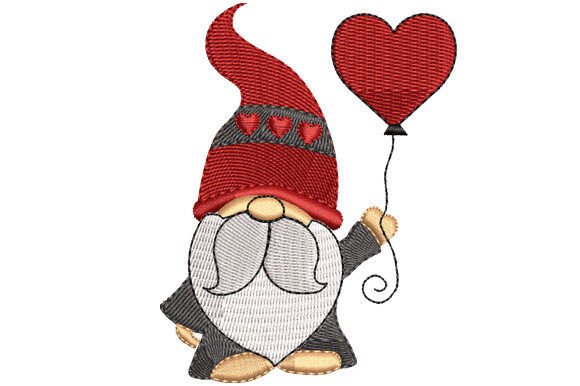
Reviewing the Christmas Family Embroidery Design
As a designer who spends more time staring at stitch maps than actual fabric, I have learned that not every festive graphic translates well to thread. Some designs look charming on a screen but turn into a tangled mess of puckering and broken needles once they hit the hoop. This season, I took a closer look at the Christmas Family embroidery design to see if it holds up under the scrutiny of real-world production. My goal was simple: determine if this asset is merely cute or if it possesses the structural integrity required for professional commercial embroidery and high-quality handmade products.
First Impressions and Visual Personality
The first thing that strikes you about the Christmas Family design is its approachable warmth. It does not rely on overly complex shading or microscopic details that demand perfection from your machine tension. Instead, it offers a balanced layout that feels nostalgic yet clean. For an Etsy seller or a small shop product creator, this visual clarity is crucial. Customers scrolling through digital marketplaces need to recognize the subject matter instantly, even in a thumbnail image.
The mood created here is one of cozy tradition. It fits seamlessly into the broader category of holiday embroidery without feeling generic. The shapes are distinct, suggesting that the digitizer prioritized stitch flow over excessive detail. This is a positive sign. In my experience, designs that try to do too much often fail on textured fabrics. This design, however, appears to respect the limitations of the medium, making it a strong candidate for various design assets in a winter collection.
Real-World Application: The Tote Bag Test
To truly evaluate a machine embroidery design, you must imagine it on a specific product. I visualized this design centered on a heavy canvas tote bag design. Canvas is unforgiving; it shows every gap in coverage and every instance of poor stabilization. The Christmas Family motif, with its presumably balanced use of fill stitch and satin stitch elements, should perform well here. The broader areas likely provide solid coverage, preventing the fabric grain from showing through, while the outlines define the characters clearly.
Beyond tote bags, consider sweatshirt embroidery. Fleece and cotton blends are popular for holiday gifts, but they present challenges regarding pile and stretch. If this design utilizes appropriate underlay and moderate stitch density, it will sit on top of the fleece rather than sinking into it. This is vital for maintaining the legibility of the family figures. A design that sinks becomes a blurry blob after one wash. Based on the visual weight of the preview, this design seems robust enough for heavier garments, making it a versatile choice for custom apparel.
Versatility Across Product Lines
The true value of a digital asset lies in its adaptability. Here is where Christmas Family shines for the craft business owner. It is not limited to one item. You can confidently apply this to:
- Embroidered patch projects for jackets or hats.
- Baby embroidery on onesies, provided the scale is adjusted appropriately.
- Kitchen textiles like aprons or tea towels for a festive home feel.
- Pillow covers that serve as seasonal decor.
- Personalized gifts where names might be added below the main motif.
For digital embroidery file sellers, offering this design in multiple hoop sizes is key. A design that works on a 5x7 hoop might need significant re-digitizing for a 4x4 hoop. If the provider offers scaled versions, it saves the end-user hours of troubleshooting. Always check if the embroidery file package includes these variations before purchasing for commercial use.
Technical Considerations and Potential Pitfalls
While the design appears user-friendly, no embroidery project is without its technical demands. There are specific scenarios where you must exercise caution. If you plan to stitch this on thin fabric like silk or lightweight rayon, the density of the fill areas could cause puckering. In such cases, using a cut-away stabilizer is non-negotiable. Do not skimp on stabilization, especially if the final product is intended for frequent washing.
Another critical area is dark fabric. If you are stitching white or light-colored threads onto black navy fleece, you must ensure there are no large jumps or loose tails visible. The contrast will highlight any imperfections. I recommend running a test stitch-out on scrap fabric of the same weight and texture as your final material. This allows you to check thread colors for vibrancy and ensure that the running stitch outlines are secure.
Curved surfaces, such as caps, present another challenge. The Christmas Family design likely has a horizontal orientation. Stitching this on a curved cap brim or front panel requires careful hooping and possibly a foam underlay to raise the design. If the design includes tiny text or intricate facial features, these may get lost on the curve. Always inspect the smallest details in your software before sending the file to the machine.
Enhancing Brand Value and Customer Trust
Why does the quality of your embroidery project matter? Because it directly impacts perceived value. A clean, well-stitched Christmas Family design signals professionalism. It tells the buyer that you care about the finished product. For commercial embroidery clients, consistency is king. If you are producing fifty units for a boutique order, each piece must look identical. A reliable design file minimizes variable outcomes.
Furthermore, this design supports brand consistency. If your shop specializes in heartfelt, family-oriented goods, this motif aligns perfectly with your narrative. It enhances the giftability of the item. People buy embroidered goods for the emotional connection they evoke. A design that feels warm and inviting encourages engagement and shares on social media, which is invaluable for organic marketing.
Practical Designer Notes for Success
Before you commit to a large production run, keep these practical steps in mind:
- Test on Scrap: Never skip this step. Verify the hoop size compatibility and check for thread breaks.
- Check Contrast: Ensure your chosen thread colors stand out against the fabric texture. High contrast improves readability.
- Review Density: If the design feels stiff after stitching, the density may be too high for lightweight fabrics. Adjust settings if your software allows.
- Inspect Details: Zoom in on the digital preview. Are there any overlapping stitches that could cause bunching?
- Mockup Testing: Create printable mockup images to see how the design looks in context before stitching. This helps in marketing planning.
- Licensing Verification: Confirm the license terms. Can you sell the finished product? Can you use it for client work? Always clarify this to protect your business.
In conclusion, the Christmas Family embroidery design offers a blend of charm and practicality. It is not just a pretty picture; it is a functional tool for creators. By understanding its strengths and respecting its technical requirements, you can produce high-quality items that resonate with customers. Whether you are creating a single personalized gift or stocking your online store for the holiday rush, this design deserves a spot in your library. Just remember: the magic lies not only in the design itself but in the care you take during the stitching process.