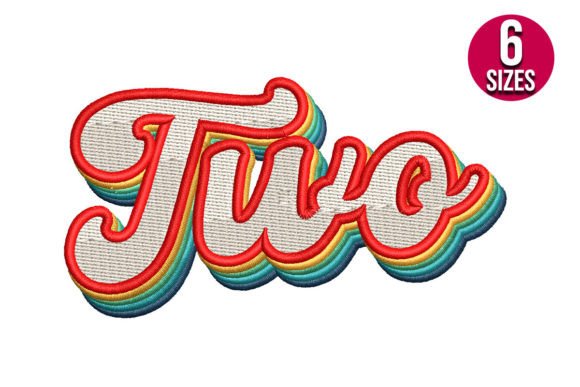
Reviewing Two Retro for Boutique Apparel
As an embroidery designer who spends countless hours digitizing and testing files for client collections, I approach every new download with a critical eye. We are not just looking for cute graphics; we are looking for stitch integrity, visual balance, and commercial viability. Recently, I explored Two Retro, a set of vintage-inspired birthday embroidery designs available on Creative Fabrica. For boutique owners and apparel decorators aiming to elevate their sweatshirt and hoodie lines, this product offers a distinct aesthetic that bridges the gap between nostalgic charm and modern streetwear trends.
First Impressions: Visual Personality and Stitch Mood
The immediate appeal of Two Retro lies in its curated vintage vibe. In an market saturated with ultra-minimalist line art or overly complex photorealistic digits, these designs offer a playful, retro personality that feels both fresh and timeless. The stitching mood is casual yet deliberate, suggesting a handmade quality that resonates deeply with customers seeking authentic, non-mass-produced items.
Visually, the designs carry a decorative strength that works well without overwhelming the garment. They feel trendy but classic enough to remain relevant beyond a single season. For a designer planning a collection, this versatility is crucial. The aesthetic leans towards the feminine and playful, making it an excellent candidate for spring launches, birthday-themed capsules, or everyday cozy wear. The detail level appears balanced, avoiding excessive density that can stiffen fabric, which is a common pitfall in lower-quality machine embroidery design files.
Application on Sweatshirts and Hoodies
The primary test for any embroidery file intended for apparel is how it performs on heavier fabrics like fleece and French terry. When imagining Two Retro on a neutral cream sweatshirt or a pastel hoodie, the potential for high-end boutique merchandise becomes clear. The vintage birthday theme allows for personalized touches, such as adding a name or age below the main motif, which significantly increases the perceived value of the finished product.
For hoodie chest placement, the scale of these designs seems appropriate. They are large enough to make a statement but compact enough to sit comfortably without distorting the fabric. I also see strong potential for sleeve accents. Placing a smaller element from the Two Retro set on the cuff or upper arm of an oversized garment adds a subtle, professional detail that distinguishes a small shop product from generic retail goods. However, when working with curved surfaces like sleeves, careful hooping is essential to prevent registration issues.
Back designs are another avenue to explore. If the stitch count permits scaling up, these retro motifs could serve as a central back piece on a denim jacket or a heavy cotton tee. This creates a bold look that appeals to younger demographics active on social media, where visual impact drives engagement.
Versatility Across Product Lines
Beyond sweatshirts, the utility of this embroidery file extends to various lifestyle products. For t-shirt embroidery, the design’s lighter touch ensures it does not weigh down lightweight cottons. On tote bags, particularly canvas or heavy-duty cotton, the vintage birthday theme transforms a simple accessory into a giftable item. This is particularly relevant for Etsy sellers who thrive on occasion-based marketing.
Consider the power of printable mockups. When creating listings, placing Two Retro on digital mockups of dark apparel, oversized garments, and cozy seasonal outfits helps customers visualize the end result. High-quality visuals drive buyer trust. By showing the design on diverse textures, from ribbed knits to smooth denim, you demonstrate the flexibility of your custom apparel offerings. This visual consistency across your store builds brand identity and encourages repeat purchases.
Technical Considerations for Professional Results
While the aesthetic appeal is strong, technical execution determines whether a design looks premium or amateur. Before running Two Retro on customer garments, several practical steps are non-negotiable for any serious embroidery shop.
- Test on Scrap Fabric: Always run a test stitch-out on fabric similar to your final product. Fleece behaves differently than cotton jersey, and understanding how the thread interacts with the pile is vital.
- Stabilizer Choice: For stretchy fabrics like hoodies, a cut-away stabilizer is generally recommended to provide long-term support. For woven tote bags, a tear-away might suffice, but always check the stitch density.
- Thread Color Contrast: Vintage designs often rely on specific color palettes. Experiment with thread colors to ensure sufficient contrast against dark garments. Muted, earthy tones may enhance the retro feel, while bright pops can modernize the look.
- Hoop Size and Placement: Confirm the hoop size required for the design. Ensure your machine can accommodate the necessary area, especially if you plan to combine the design with text for personalized birthday gifts.
It is also important to inspect the stitch density. High-density areas on stretchy fabric can cause puckering or wrinkling. If Two Retro features dense satin stitches, consider using a water-soluble topping on fleece or terry cloth to keep the stitches sitting on top of the fibers rather than sinking in. This simple step dramatically improves the professional presentation of the finished product.
Enhancing Brand Value and Customer Engagement
Incorporating unique designs like Two Retro into your lineup does more than just add inventory; it enhances your brand identity. In the crowded marketplace of handmade products, distinctive embroidery sets help your items stand out. When customers see consistent, high-quality stitching on their birthday hoodies or tote bags, it builds trust. They begin to associate your brand with reliability and style.
Furthermore, themed collections drive customer engagement. A "Vintage Birthday" capsule featuring these designs can be marketed heavily around peak gifting seasons. Social media graphics showcasing the embroidery process—from the digital embroidery file to the final stitch-out—create a narrative that connects buyers to the craft. This transparency highlights the effort behind each handmade product, justifying premium pricing.
Licensing and Final Recommendations
Before launching any commercial embroidery products, it is imperative to review the licensing terms provided by Creative Fabrica. Ensure that the license covers the sale of finished physical goods, such as apparel and accessories. While the product description indicates suitability for t-shirts, pillows, bags, and hats, always confirm the specific allowances for mass production versus small batch sales.
Additionally, verify the included file formats. Ensure compatibility with your specific embroidery machine software. If details regarding stitch count or exact hoop dimensions are not explicitly listed in the product preview, reach out to the designer or check the detailed file information before purchase. Knowing these specifics prevents production delays and ensures you can accurately price your labor and materials.
In conclusion, Two Retro represents a solid addition to the toolkit of modern apparel decorators. Its blend of vintage charm and versatile application makes it suitable for a wide range of boutique projects. By paying attention to technical details like stabilizer choice and fabric texture, you can transform this digital asset into high-value, tangible goods that resonate with customers. Whether you are an established Etsy seller or a creative entrepreneur launching your first clothing line, this design offers the aesthetic flexibility needed to create memorable, wearable art.