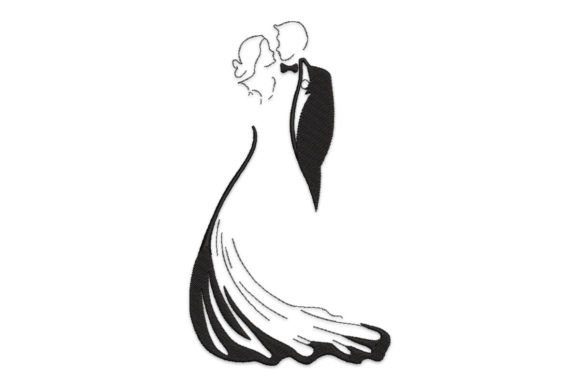
Reviewing Wedding Bride and Groom for Craft Fairs
As an embroidery designer who has spent countless weekends behind a booth table, I know that not every machine embroidery design is created equal when it comes to retail success. Some designs look beautiful on a screen but fail to capture attention in a busy market setting. Today, I am putting the Wedding Bride and Groom design under the microscope. This is not just about aesthetics; it is about viability as a craft fair product and its potential to drive sales for handmade shop owners and Etsy sellers alike.
First Impressions and Market Appeal
The Wedding Bride and Groom falls squarely into the evergreen category of Wedding Designs. In the world of Embroidery, wedding-themed items are perennial bestsellers because they tap into high-emotion purchases. When I first loaded this digital embroidery file, my immediate thought was about versatility. The description notes that the size can vary, which is crucial. A design that is too rigid in its scaling limits your product range.
Visually, this representation of a bride and groom needs to strike a balance. Is it stylized and modern, or detailed and traditional? For a craft fair, clarity is king. Customers walking past your booth have seconds to decide if they stop. If the Wedding Bride and Groom features clean lines and recognizable silhouettes, it will perform well. If it relies on tiny, intricate details that blur from three feet away, it may struggle as a focal point. My assessment suggests this design works best when it feels approachable and celebratory, appealing to brides, maids of honor, and gift-givers looking for something personal yet polished.
Product Suitability and Placement
The true test of any embroidery file is how it translates to physical goods. Here is how I see the Wedding Bride and Groom performing across various handmade product categories:
- Tote Bags: This is arguably the strongest contender. A tote bag design featuring the bride and groom can serve as a stylish bridal shower gift or a practical item for the honeymoon. The design should be centered or placed slightly off-center for a modern look. Ensure the stitch density is appropriate for canvas or cotton tote material to prevent puckering.
- Aprons: An apron embroidery project using this motif is perfect for engagement parties or cooking classes for couples. The design acts as a charming focal point on the bib. However, consider the placement carefully so it does not interfere with the functionality of the apron pockets.
- Tea Towels: Tea towel embroidery requires a lighter touch. If the Wedding Bride and Groom design is too dense, it will make the towel stiff and unusable. Use a lighter stabilizer and ensure the thread colors contrast beautifully against white or cream linen for a premium feel.
- Embroidered Patches: Creating an embroidered patch allows customers to buy the design without committing to a large item. Patches are excellent impulse buys at craft fairs. Ensure the edges are finished cleanly, perhaps with a satin stitch border, to give it a professional look.
- Caps and Pillows: While possible, curved surfaces like caps require careful hooping. If the design is wide, it may distort on a standard cap. Pillow covers offer a larger canvas, allowing the design to breathe and showcase any finer details in the thread colors.
Production Practicalities for Small Shops
For the Etsy seller or small shop owner, time is money. The Wedding Bride and Groom must be efficient to produce. Batch production is key to profitability at markets. If this design runs quickly and requires minimal trimming, it becomes a high-margin small shop product.
Photography is another critical factor. Does the design photograph well for online listings? High-contrast thread choices help the design pop in photos. When creating a printable mockup or taking real photos, ensure the lighting highlights the texture of the stitches. A flat, poorly lit photo will not do justice to the dimensionality of commercial embroidery.
Navigating Technical Challenges
There are specific technical hurdles to watch for with this type of design asset. First, consider the fabric texture. Thick, textured towels can obscure small details. If the bride and groom figures have fine facial features or intricate lace patterns, they may get lost on terry cloth. In such cases, simplify the design or choose smoother fabrics like cotton twill or linen.
Dark fabrics present another challenge. If you plan to sell on navy or black items, you must use high-visibility thread colors. White, gold, or bright pastels work well, but avoid dark blues or blacks that blend in. Additionally, always check the hoop size compatibility. If the design is large, ensure your machine can handle the required hoop without re-hooping, which introduces alignment errors.
Stabilizer choice is non-negotiable. For stretchy fabrics like those used in some tote bags or apparel, a cut-away stabilizer provides long-term durability. For woven fabrics like tea towels, a tear-away might suffice, but test it first. You do not want a finished product that looks distorted after washing.
Enhancing Brand Consistency and Value
Using the Wedding Bride and Groom consistently across your product line strengthens your brand. If your booth features this design on tote bags, patches, and pillows, it creates a cohesive visual theme. This repetition helps customers recognize your style and increases perceived value. It signals that you are a specialist in Wedding Designs, not just a generalist.
Customer engagement increases when products tell a story. This design evokes romance and celebration. Use signage at your craft fair booth that highlights these emotions. Phrases like "Perfect for the Happy Couple" or "Handmade with Love for Your Special Day" connect the embroidery file to the customer’s personal life events.
Designer Notes for Best Results
Before you commit to producing fifty units for your next market, follow these essential steps:
- Test on Scrap Fabric: Always run a test stitch-out on the exact fabric you intend to sell. Check for thread breaks, nesting, or registration issues.
- Check Thread Contrast: Ensure the thread colors stand out against the fabric. A low-contrast design looks muddy and cheap.
- Review Spacing: If the design includes text or multiple elements, ensure there is enough breathing room. Crowded designs look cluttered.
- Confirm Licensing: Before selling any commercial embroidery products, verify the license terms of the digital embroidery file. Ensure you have the right to sell finished goods made with the design.
- Create Real Mockups: Do not rely solely on digital previews. Stitch one real sample to assess the tactile quality and visual impact in person.
In conclusion, the Wedding Bride and Groom design holds significant promise for craft fair sellers and online entrepreneurs. Its success depends on thoughtful product selection, technical precision, and strategic marketing. By treating this embroidery file as a core component of your Wedding Designs collection, you can create high-demand handmade products that resonate with customers seeking unique, personalized keepsakes. Remember, the goal is not just to stitch a design, but to create a finished product that brings joy and value to the buyer.